Pia States, RN, CHPN, CEP — End-of-life care education
What every nurse and caregiver needs to know
at the threshold.
CE inservices, hands-on kinesthetic training, and a memoir born from decades at the bedside — for nurses, caregivers, and the families walking alongside them.
CHPN — Certified Hospice and Palliative Nurse (2017)
CEP — Certified Educational Provider
About Pia
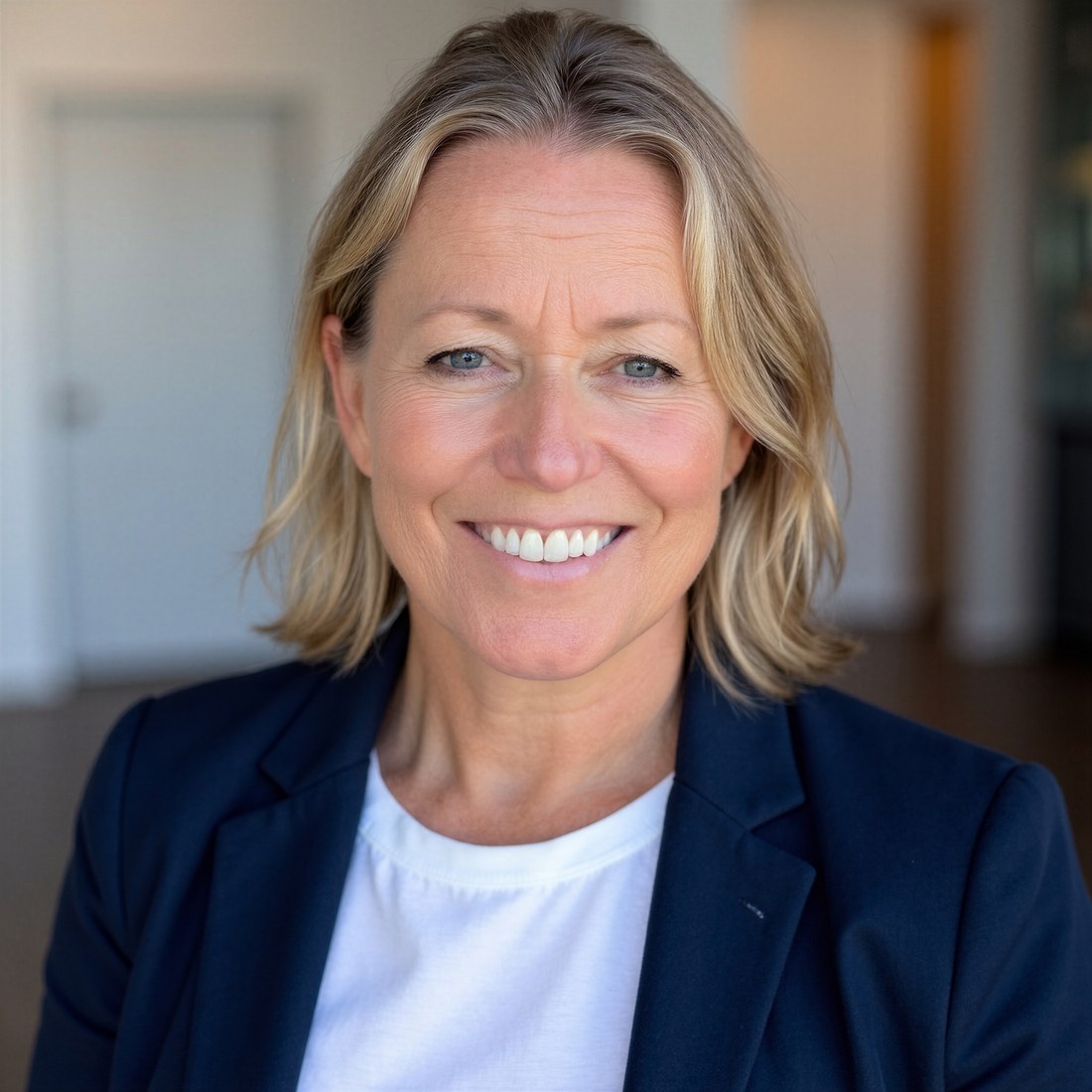
Pia States is a hospice nurse with more than three decades of bedside experience across Germany, Sweden, and the United States. Nursing has been her calling since childhood, and it shows in the way she works: with an open mind, a deep love for the people she cares for, and a genuine passion for mentoring the nurses and caregivers coming up behind her.
That open-mindedness comes, in part, from a lifetime of travel — a childhood spent across Africa and Europe, and a habit, encouraged early by her mother, of seeking out the world rather than staying still. It's shaped how she sees people, and how she practices nursing.
Over the years, Pia has worked in nearly every hospice setting there is — inpatient units, private homes, case management, on-call nursing — but she has never moved into management. At heart, she is and will always be a bedside nurse.
Stepping out of bedside nursing and into education is her way of giving back everything she's learned. This platform gathers it into in-services, hands-on courses, and writing — so the people caring for the dying will feel more confident, and less alone, at the bedside.
CE Inservices
Continuing education, in the room or on the screen.
Live sessions for hospice teams, facilities, and caregiver groups — each carrying CE credit.
Comprehensive Hospice Inservice
An interactive, case-study based inservice covering hospice philosophy, comfort care skills, and end-of-life symptom management.
Small Group Mentorship Program
Ongoing, small-group mentorship for hospice nurses and caregivers building bedside confidence.
Hospice Agency Workshop
A custom training workshop for hospice agencies, tailored to their staff's needs.
Kinaesthetic Body Mechanic Technique
Skills the hands learn, not just the mind.
Hands-on training for caregivers and nurses — technique that can only really be taught in the room, practiced on the body.
Kinaesthetics: Moving With Your Patient, Not For Them
Most of us were trained to lift with our knees and brace our backs. Kinaesthetics asks a different question: what if you didn't have to lift at all?
Developed in the 1970s by Frank Hatch and Lenny Maietta, Kinaesthetics has been a standard part of nursing education across Germany, Switzerland, and Austria for decades — yet it's still largely unknown in US nursing training. It's a way of moving and repositioning a patient that works with their body instead of lifting or dragging them like dead weight.
The result: less strain on the caregiver's back and shoulders, and a patient who stays an active, engaged participant in their own care — rather than a passive weight being moved around.
The 3 Core Concepts
- Interaction — The patient is an active partner in the movement, not dead weight you carry.
- Masses & Spaces — The body's heavy parts (head, chest, pelvis) move through its flexible parts (neck, waist, joints) — not all at once.
- Movement Pattern — Rolling and pivoting take far less effort than a straight lift.
Why It Matters
For the caregiver: dramatically less risk of chronic lower-back strain — the movement comes from body mechanics and momentum, not muscle force.
For the patient: less fear during a transfer, more opportunity to stay physically engaged, and better protection against stiff joints and pressure injuries from being moved passively.
Learn It Hands-On
A comprehensive, hands-on course in Kinaesthetics technique — a standard part of nursing school curricula in Germany, Switzerland, and Austria.
$50/person · $500/group
The book
TOD — What Hospice Care Has Taught Me
What I learned as a hospice nurse
A memoir woven with clinical storytelling, poetry, and the hard-won lessons of a life spent at the bedside — from years of work across Germany, Sweden, and the US, to decades of hospice nursing.
Each chapter carries an embedded sidebar of practical, nursing-grade guidance — so the book doubles as a field companion for anyone caring for the dying. Once launched, it will carry 15 CEs as an accredited continuing education unit.
Want a sneak peek? Leave your email and I'll send you a sample chapter as soon as it's ready.
Free guide
The Hospice Confidence Guide
Your toolkit for the first year at the bedside
What to watch for, what to do with your hands, and what to say when there are no words — a free guide for new hospice nurses and CNAs, written from 30+ years at the bedside.
- Reading the Body's Language — signs & timeline of active dying
- Your Toolkit — comfort care basics you can act on immediately
- What to Say When There Are No Words — presence & language for patients and families
- Busting the Biggest Hospice Myths
Get in touch
Book an inservice, or just say hello.
Whether you're scheduling a CE session for your facility, arranging the Safer Moves & Transfers course for your caregiving team, or want to hear when the book launches — reach out.